
• Villaggio della birra
  • Villaggio della birra 2
  • Fermento Birra

    Il primo web magazine dedicato alla birra di qualitĂ 
    Spillatura n.6 - Febbraio 2008

    A letter from Belgium

    The pride of Belgium, part 1:
    the reverend fathers of barley


    in italian


    Joris Pattyn


    I’m going to ask you a question. A simple one first, so you might know the answer. Then again, you might think you do. And then I’m going to ask another question. And that one, might be slightly more tricky to respond to…


    OK, the easy one. What is a trappist beer? Officially, there are three criteria, but in short: it is a beer, brewed in a trappist monastery, under supervision of the monks, from which the gains by sale are used to sustain the monastery, especially in their charitable endeavours.


    That wasn’t so bad, was it? OK, now the difficult one. What does the moniker “trappist” say about the beer itself?
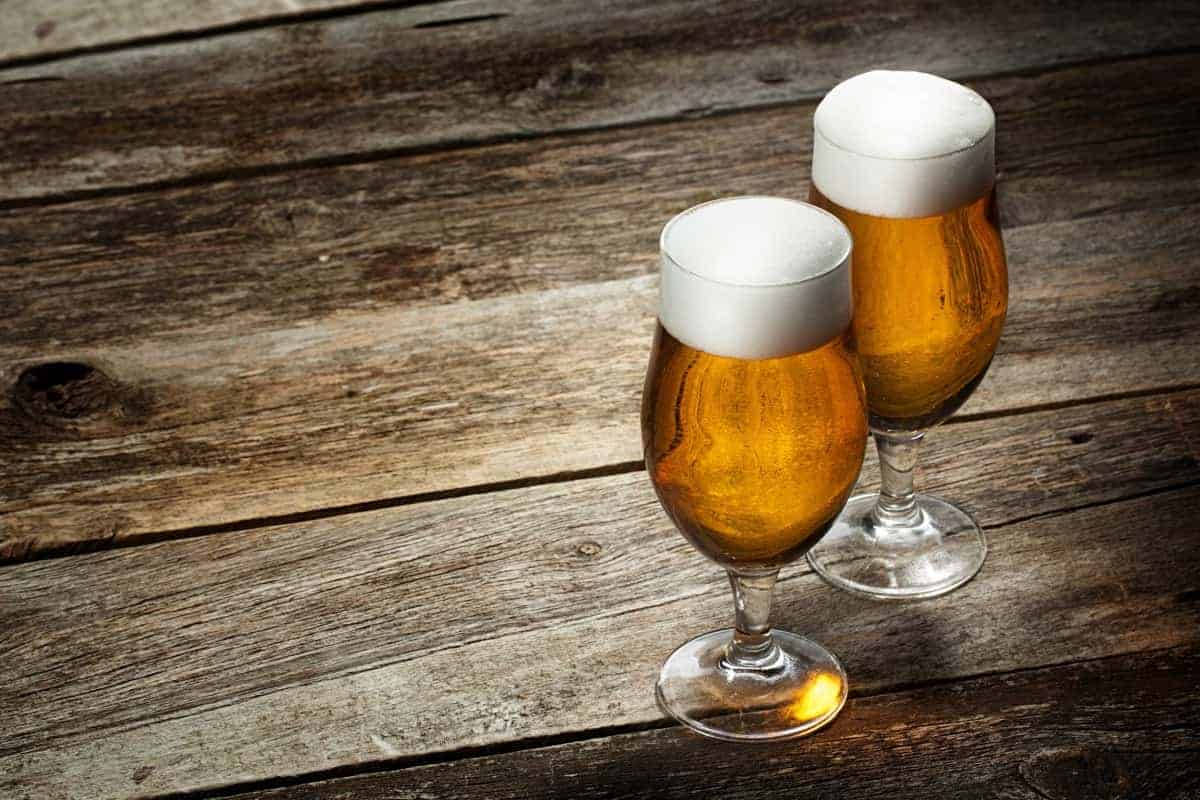

    Now, you might have a number of ideas that should fit the bill in your opinion, but be careful. This is a tricky one, I said. There’s always a smartass in any class. The one amongst you, might be tempted to answer: “Nothing at all.” And lo and behold, he might be actually the closest to the truth. Yet, in following the schoolanalogy, with me being the master, I might have to correct him. If you find such a brew, displaying the dark-ruby, octagonal sign with the white logo “Authentic Trappist Product” on it, you do have a certain guarantee. Not only the three conditions above, but also the fact that this product has been made to very serious, high standards.


    Let me explain. Monks are a strange lot, sometimes seemingly not quite in phase with our modern world. They don’t have need of all the European directives concerning traceability of origin, even when they will never wilfully transgress law. But to them it is a matter of course, that the ingredients they use, will come from as near, and as controllable as possible. They will have to be of the highest possible quality, and preferably of a rural simplicity, that often betrays belief in the values of honest, down-to-earth values of yesteryear.


    Those ingredients will be used in such a way, that the end product will be an instantly recognisable entity, something that leaves a permanent impression of “wholeness” – something that would be difficult to better in any way. Do not be deceived by this apparent simplicity! The beer (or the cheese, the aperitif, the bread, the cider,…) that will be the result of this, might display a staggering complexity, a kind of layered depth, that invites to be discovered, but will not easily reveal its secrets. And if you look at it this way, isn’t that exactly the same as the true great cuisine – be it French, Italian or Chinese, or whichever? Simple ingredients, that end up, via sometimes complicated procedures, in a truly imperial dish that boggles the mind.


    This way of looking at things, is reflected in all that surrounds the trappist monks. I want to speak about beer. I do not think that this article is the right place to talk about Cistercienzian habits and rules. But, if you have the opportunity to go into a trappist monastery, and I’d exceptionally say, a latter day one – look at the way church, buildings, gardens are conceived. They look simple, invite the mind to take a rest, but they are actually oh so raffinated. Even the rural settings of all Trappistmonasteries I know, seem to hint at a kind of retro, “back to basics” implementation. I’d compare it to the designs of the great Leonardo, or further away in history of art, the Celtic patterns from the beginning of Christianity, and before.


    There is an inherent paradox in what I’ve told. I cannot word it any better than would do Jean-Marie Rock, the brewmaster of the Orval trappistbrewery – maybe the most idiosyncratic of them all. His Credo (apt!) is “Faites simple!” (keep it simple!). That seems to stick with what went before, but that does not mean that the way to achieve this, must go over rustic paths. If you can leave one idea behind you, after reading this, is the label-immortalized image, of the robed, tonsured monk that is using the mediaeval brewingfork for turning the mash. He’s dead and gone, that guy, and may he rest in peace.


    All but one trappistbrewery use a lay brewmaster, and most of the people working in a trappist brewery, and all that surrounds it, are laymen. The brewery of Chimay even claims that their employment of laymen, in a large, modern-day brewery is a logical answer on the poor, underdeveloped region the monastery is located in. Brewmasters are technically highly learned people. They know about the facts of brewing, but also about legal regulations, about possible ways for error. They like the technical niceties that make brewers’ art less a Catweazle way of accomplishing things. They have an eye for state-of-the art.


    The monks, from their point of view, demand excellence. If that is better, more practically and more easily achieved by modern technology, they will invest. To take the example of one of the larger Trappistbreweries, the monks ask their lay directors to give them a quarterly overview about what the technical people esteem to be needed changing, or to explore in new directions. Meaning, the way of achieving the beer – not the beer itself. Trappistbeers are seldom changed, and then it is the result of a very long process of thinking, tinkering and trying.


    Trappistbreweries have, not without reason, the name of being very rich. As austere the monks might live, the result of their labour is highly valuated. But do not think that the sky is the limit – even if it may appear so, in case you visit your first trappistbrewery. They will investigate in what the technical people ask them, will select one or two things, and then say: ”Tell us what you think will be best for achieving the best results.” If the answer is equivocally, then the purse will open, and oftentimes this will mean that the very best, and highly appraised technology will be bought in – technology usually seen only in the very largest brewing companies.


    A superb example on this, finds itself in the inner court of Westmalle abbey. A modern tower there, houses a semiconical fermenter. By the time of my last visit, only in use for experimenting. As all larger breweries, Westmalle see the advantages of semiconicals. They are equally aware that they represent, however, a serious step from traditional fermenting vessels and methods. Hence, they will not use the beer from here in the finished product, until it gives exactly the same result as the old fermenters. Mind you, they don’t start from scratch – it is well-known that the height of classical semiconicals has an adverse effect on the beer. So they build a fairly low one to start with.


    But the main difference of this fermenter is not its shape – it’s the technology around and inside it. Computerized captors allow the brew to be monitored, on different locations inside the fermenter, and on a wide scale of variables. It is an ultimate brewers’ toy. Toy, indeed, but used to good purpose. The everlasting quality of the Trappist ale.


    Another example of their way of doing things, we find in the monastery of Rochefort, in Wallonia. This longstanding abbey has a limited space. Standing at the entrance, one can look around the inner court(s), and estimate the age of the buildings around. They seem to go upwards in time via a clockwise system. And indeed, so does rebuilding. Every year, another part is targeted, and the (inner!) building renewed, with what it contains. From the outside it still offers the same – in case of Rochefort breathtaking – aspect, but inside, the rebuilding is complete. However, well within the strict esthetical parameters of the order…


    to be continued…

    Lascia un commento

    Nome


    GUIDE

  • Euro Print
  • Birrerya
  • Birre piemontesi in piazza a Torino


     23 agosto 2008

    Birre in Piazza
    festival delle birre piemontesi

    Torino
    Piazzetta Eataly
     
    Eataly, il noto centro enogastronomico torinese, organizza un appuntamento dedicato alle migliori birre artigianali piemontesi.
    Dalle 12.00 alle 22.30 nella piazzetta di Eataly sarà possibile scegliere tra le sedici birre dei birrifici presenti:
     
    birrificio Le Baladin
    birrificio Beba
    birrificio Troll
    birrificio Grado Plato
    birrificio Piazza dei mestieri
    Birra Lurisia
     

    Molte le offerte e le formule di assaggio proposte, ad esempio con 15 euro si potranno avere:
    il bicchiere universale per la degustazione delle birre "Teku"
    il porta bicchiere in cotone personalizzato Eataly
    una pizza margherita con lievito madre pelato campano e fior di latte di agerola
    5 assaggi di birra artigianale a scelta da 100ml


    Per info:
    telefonare al numero 011.19506801
    o recarsi al box informazioni presso Eataly - Via Nizza, 230 int. 14
    (di fronte a "8 Gallery") Torino Lingotto.

    Eataly Torino è aperto tutti i giorni dalle 10 alle 22:30
    I Ristorantini dalle 12:00 alle 15:00 e dalle 19:00 alle 22:15
     
    www.eataly.com


    Villaggio della Birra 2008


     6-7 settembre 2008

    Villaggio della Birra 2008

    Bibbiano (SI)
    Presso TNT Pub


    Terza edizione per uno degli appuntamenti più attesi dagli amanti della birra di qualità. Torna Villaggio della Birra vero e proprio meeting tra la secolare cultura birraria belga e la spumeggiante realtà artigianale italiana.


    I visitatori anche quest’anno acquistando un bicchiere da degustazione  (cauzionato) potranno assaggiare le birre artigianali presenti raccontate dai rispettivi mastri birrai e partecipare (prenotazione obbligatoria) ad uno dei laboratori di degustazione guidati da grandi esperti internazionali, come l’italiano Kuaska (Lorenzo Dabove) e il belga Joris Pattyn.


    La vasta scelta di birre alla spina e una carta di birre in bottiglia con oltre 150 etichette (www.birrerya.com) provenienti dal Belgio, assicurano la soddisfazione di ogni tipo di desiderio birrario.


    Birra artigianale protagonista anche in cucina, dove sarà utilizzata come ingrediente dal ristorante del Villaggio impegnato nella realizzazione di piatti belgi e italiani (prenotazione obbligatoria). Sarà inoltre possibile acquistare gustose merende a base di salumi, porchetta e formaggi senesi.


    Spazio inoltre all’arte con la presentazione di una mostra fotografica “Creatività e gusto” dedicata alla birra artigianale, frutto di un workshop guidato dalla fotografa Vanessa Rusci, e alla musica live, con due concerti ad animare le due serate.


    Per quanti invece volessero saperne di più su come fare a realizzare la propria birra in casa, nella giornata di domenica (inizio ore 11.00) l’associazione culturale Ars Birraria effettuerà una birrificazione aperta al pubblico, dimostrando quanto facile e appassionante sia la produzione casalinga di birra.


    BIRRIFICI E MASTROBIRRAI PRESENTI:


    DAL BELGIO
    Birrificio Achilles, birre: Serafijn Donker, Serafijn Tripel (alla spina)
    Birrificio Blaugies, birre: Moneuse, Darbyste, Saison Epeutre (in bottiglia)
    Birrificio Boelens, birre: Bieken, Balzello (alla spina)
    Birrificio Cazeau, birre: Tournay Blonde, Noire, Saison de Cazeau (alla spina)
    Birrificio Den Hopperd, birre:Kameleon Tripel e Amber (alla spina)


    DALL’ITALIA
    Birrificio Lambrate (MI)  birre: Montestella, Ligera, Ghisa, Porpora (alla spina)
    Birrificio Montegioco (AL)  birre: Runa, Rurale, Demon Hunter (alla spina)
    Birrificio L’Olmaia (SI)  birre: la5, la9, PVK (alla spina)
    Birrificio Petrognola (LU)  birre: Nera, Castagne, 100%Farro, Sandy (in bottiglia)
     
        
    LAMBIC & TRAPPIST CORNER
    Sarà inoltre allestito uno spazio dedicato alle celeberrime trappiste (Westmalle Tripel alla spina) e alle particolari e affascinanti lambic:
    Cantillon Grand Cru in bottiglia; Girardin Lambic, Lambic Kriek, Black Label, Kriek Bag Box & Bottiglia; 3 Fonteinen Vintage, Doesjel, Kriek in bottiglia; Oud Beersel Geuze, Kriek in bottiglia; Boon Geuze Mariage in bottiglia; Hanssens Oudbeitje in bottiglia; De Cam Oude Kriek in bottiglia; Lindemans Cuvee Renee Kriek in bottiglia.


    Orari e programma:


    Sabato 6 Settembre

    Ore 12:00
    Apertura Stands & Beershop
    Inaugurazione  mostra “Creatività e gusto”

    Ore 12:30/15:00
    Ristorante: Menù “Il Belgio in Tavola”.
    Prenotazione Obbligatoria. Posti Limitati

    Ore 12:30
    Apertura Stand "Street food"

    Ore 15:30
    Laboratorio di Degustazione con Kuaska e Joris Pattyn.
    Prenotazione Obbligatoria. Posti Limitati

    Ore 18:00
    "Lo stato di salute della Birra Belga" ..due chiacchiere con Kuaska

    Ore 19:30/22:00
    Ristorante: Menù “Il Belgio in Tavola”.
    Prenotazione Obbligatoria. Posti Limitati

    Ore 22:00
    Concerto Musicale

    Ore 24:30
    Chiusura casse

     
    Domenica 7 Settembre

    Ore 11:00
    Inizio Brassin Pubblic con i ragazzi di Ars Birraria

    Ore 12:00
    Apertura Stands & Beershop

    Ore 12:30/15:00
    Ristorante: Menù “Cucinare con la Birra”.
    Prenotazione Obbligatoria. Posti Limitati

    Ore 12:30
    Apertura Stand "Street food"

    Ore 15:30
    Laboratorio di Degustazione con Kuaska e Joris Pattyn
    Prenotazione Obbligatoria. Posti Limitati

    Ore 19:30/22:00
    Ristorante: Menù “Cucinare con la Birra”
    Prenotazione Obbligatoria. Posti Limitati

    Ore 22:00
    Concerto Musicale

    Ore 24:00 Chiusura casse

     
    Parte del ricavato sarà donato all’associazione Italiana per la ricerca sul Cancro

     
    Ingresso gratuito
    Sabato 6 dalle 12.00 alle 24.00
    Domenica 7 dalle 11.00 alle 23.00
    Bicchiere di degustazione in vetro cl.15 (cauzionato) 3.00 euro
    Gettone di degustazione 1.50 € (cl.15); 3.00 € (cl.30)


    Info:
    Tel: 0577-807077
    www.villaggiodellabirra.com
    info@villaggiodellabirra.com


    Le birre italiane sbarcano al Great British Beer Festival


    Il CAMRA, acronimo di Campeign for Real Ale, che organizza l’evento, lo ha giustamente definito il più grande pub del mondo. Stiamo parlando del Great British Beer Festival che si svolgerà a Londra dal  5 al 9 agosto. In effetti con 450 Real Ales, la birra inglese prodotta e servita secondo tradizione, e più di 65000 visitatori  rappresenta uno dei massimi eventi a livello internazionale.
     
    Oltre alle tradizionali Ale provenienti dall’intero Regno Unito è presente una nutrita selezione di birre estere, all’interno dell’area chiamata Biéres Sans Frontiéres, dove da qualche anno l’Italia riesce a mettersi in mostra e attirare l’attenzione di molti appassionati.
     

    Quest’anno come riporta anche Cronache di birra saranno presenti le seguenti birre italiane:
    Farotta, Fredric e Grand Cru di Almond ‘22
    Elixir e Nora di Baladin
    BB10 e Zagara di Barley
    KETO Reporter e Reale Extra di Birra del Borgo
    Amber Shock, Bibock e Tipopils del Birrificio Italiano
    A.F.O. e Via Emilia del Birrificio Ducato
    Chocarubbica, Nanoro e Strada San Felice di Grado Plato
    Bran, Draco Cadrega, Mac Runa e Rex Grue del Birrificio Montegioco
    Divina di Torrechiara, Dau e Shangrila Fume del birrificio Troll
    Midnight Espresso e That’s Amore! del White Dog


    Earls Court Exhibition Centre, Warwick Road, SW5
    Martedì 17.00 22.30
    mercoledì-giovedì 12.00 22.30
    Sabato 11.00 19.00

     
    per info:
    +44 (0) 1727 867 201
    www.camra.org.uk